
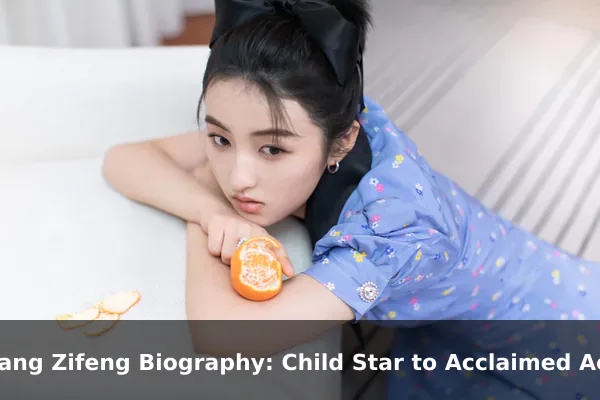
Zhang Zifeng represents one of the most compelling career arcs in contemporary Chinese cinema: a performer who first reached audiences as a young child and gradually matured into a respected dramatic actress without losing critical credibility. While many child stars struggle to transition into adult roles, Zhang Zifeng has steadily expanded her range, taking on emotionally demanding parts in films such as Aftershock, Last Letter, and Sister. Her reputation rests on a quiet, naturalistic style and a willingness to anchor youth-centered stories with genuine feeling.
This biography traces her journey from a memorable child performer to a young actress whose name appears in serious awards conversations. Because she is a living public figure, the most reliable details about her projects, statements, and personal life are those confirmed through official channels. Readers should treat current career claims with appropriate caution and verify time-sensitive information against primary sources such as her verified Weibo account and official award archives.
Throughout the article, the focus stays on verified career milestones, major roles, and critical recognition rather than speculation. The goal is an accurate, source-aware portrait of how Zhang Zifeng built a credible acting identity in a competitive industry where early fame rarely guarantees lasting respect.
Early Life and First Steps on Screen
Zhang Zifeng was born in Beijing, China, and is widely reported to have been born on May 27, 2001. She entered the entertainment industry at a remarkably young age, appearing in commercials and supporting roles before she was widely known. This early exposure to film sets helped shape both her comfort in front of the camera and her public image as a gifted child performer.
Like many actors who begin in childhood, her earliest work blended natural charm with the guidance of experienced directors. Rather than relying on the polished training paths associated with idol culture, Zhang Zifeng built her foundation through on-set experience in feature films, which contributed to the unaffected screen presence that later defined her work.
A Childhood Shaped by the Camera
Growing up partly in the public eye, Zhang Zifeng developed a screen identity centered on emotional authenticity. Audiences responded to a young actress who could convey vulnerability and resilience without exaggeration. Details about her private upbringing should be treated cautiously, but it is clear from her filmography that her formative years were closely tied to professional film work.
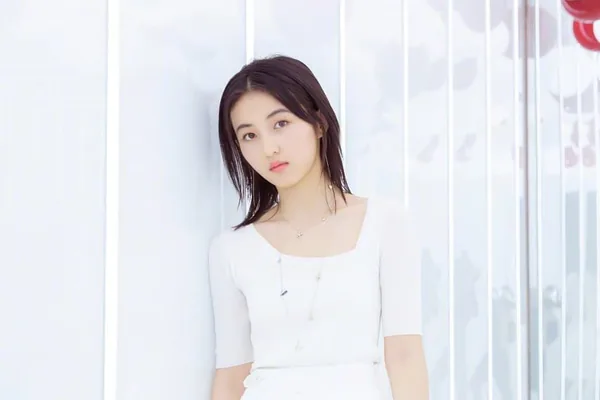
Why Early Roles Mattered
Her early roles did more than introduce a talented child to viewers. They established expectations that would later challenge her, as audiences who first knew her as a child needed to accept her in mature, complex parts. This tension between a familiar child-star image and evolving artistic ambitions became a defining theme of her career.
Breakthrough with Aftershock
The film most often credited with bringing Zhang Zifeng to national attention is Aftershock (2010), directed by Feng Xiaogang. The film, centered on the human cost of a devastating earthquake and its long emotional aftermath, gave her a role that demanded real dramatic weight despite her young age.
In Aftershock, Zhang Zifeng portrayed the younger version of a central character whose life is shaped by tragedy and separation. The performance required her to express fear, loss, and confusion in scenes that anchored the film’s emotional opening. Critics and audiences took note of how convincingly she carried these pivotal moments.
Critical Recognition for a Young Performer
Her work in Aftershock earned formal recognition. According to the official China Federation of Literary and Art Circles (CFLAC) source, Zhang Zifeng received the Best Newcomer honor at the 31st Hundred Flowers Awards for her performance in the film. This recognition was significant because it validated her not merely as a charming child actor but as a young performer capable of meaningful dramatic contribution.
The Foundation of a Reputation
The success of Aftershock set the tone for how the industry would view her. It signaled that she could be trusted with emotionally serious material, and it created momentum that she would later build on as she moved into adolescent and adult roles. For many viewers, this film remains the reference point for her early talent.
Growing Beyond the Child Star Label
One of the central challenges in Zhang Zifeng’s career has been moving past the child-star label. The transition from child performer to credible adult actress is notoriously difficult, and many promising young actors fade as audiences struggle to see them in new contexts.
Zhang Zifeng approached this transition gradually, selecting projects that allowed her to demonstrate range while maturing on screen alongside her real-life growth. Rather than forcing a dramatic reinvention, she let her filmography reflect a natural progression from youth-centered stories to more complex, adult-oriented narratives.
Expanding Genre and Tone
As she grew, Zhang Zifeng explored a variety of genres, appearing in dramas, family-centered stories, and films with broader commercial appeal. This variety helped her avoid being typecast and demonstrated flexibility that strengthened her standing among directors and casting decision-makers.
- Emotional dramas that built on the strengths shown in Aftershock.
- Youth and coming-of-age stories that matched her real-life age and resonated with younger audiences.
- Ensemble and commercial films that broadened her exposure beyond art-house circles.
Managing Audience Expectations
Changing audience perception takes time. By consistently delivering grounded performances, Zhang Zifeng encouraged viewers to update their image of her. The trust she earned through earlier work gave her room to take on more demanding roles as a young adult, which proved essential to her continued relevance.
Major Films and Career-Defining Performances
While a full filmography would be extensive, a few films stand out as career-defining and best illustrate her growth as an actress. These works show how she moved from being a notable child performer to a young actress capable of leading and supporting serious dramatic films.
Last Letter
In Last Letter (2018), directed by Shunji Iwai, Zhang Zifeng took on a role in a delicately constructed drama about memory, family, and unspoken feelings. The film’s restrained, emotional tone suited her naturalistic style, and her contribution helped reinforce her reputation as an actress comfortable with quiet, interior performances.
Sister
The film Sister (2021) marked another important step, placing Zhang Zifeng in a story centered on family responsibility and personal choice. The role required emotional depth and a sustained dramatic presence, and it positioned her firmly as a young lead actress capable of carrying a film’s emotional core.
A Body of Work Built on Substance
What unites these performances is a preference for substance over spectacle. Rather than chasing only high-profile blockbusters, Zhang Zifeng has repeatedly chosen roles that allow for genuine character work. This pattern has helped her cultivate a filmography that critics can take seriously, even as she remains a recognizable public figure.
Awards, Nominations, and Critical Recognition
Awards recognition offers one of the clearest external measures of an actor’s standing, and Zhang Zifeng’s nominations reflect a performer respected within the broader regional film community. These honors should always be checked against official award archives, which document the specific categories and years.
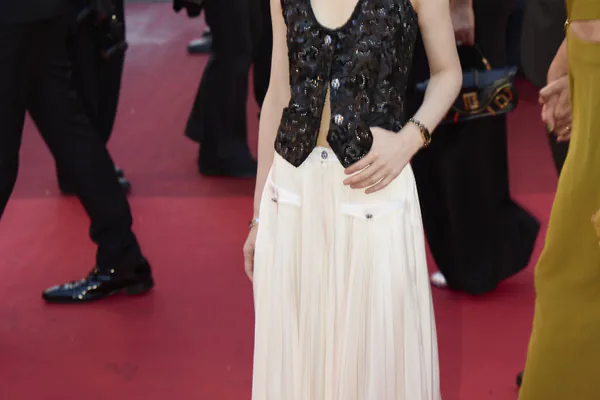
Hundred Flowers Recognition
As noted earlier, her Best Newcomer recognition at the Hundred Flowers Awards for Aftershock is documented through the official CFLAC source. This early honor remains a foundational credential in her career and signaled industry confidence in her potential.
Golden Horse and Asian Film Awards Attention
Zhang Zifeng’s later work also attracted regional awards attention. Official archives indicate the following recognition, which readers can verify directly:
- A Golden Horse Awards nomination connected to her supporting work in Last Letter, documented in the official Taipei Golden Horse Film Festival archive.
- An Asian Film Awards Best Actress nomination linked to Sister, listed by the official Asian Film Awards Academy.
What the Recognition Signals
Taken together, these nominations show that Zhang Zifeng’s reputation extends beyond box-office appeal. Being recognized by major regional bodies indicates that critics and industry professionals view her as a serious dramatic actress, not simply a former child star coasting on early fame.
Acting Style and Public Image
Zhang Zifeng is often described in terms of emotional restraint and naturalism. Instead of relying on broad gestures, she tends to convey feeling through subtle expression and grounded delivery. This approach suits the kind of intimate, character-driven films that have defined much of her career.
Emotional Naturalism
Her strongest performances share a sense of lived-in authenticity. Whether portraying grief, longing, or quiet determination, she favors believability over showmanship. This emotional naturalism is a key reason she has been trusted with roles that hinge on a single convincing reaction or a moment of stillness.
A Carefully Managed Public Profile
In terms of public image, Zhang Zifeng has generally maintained a profile centered on her work rather than constant tabloid attention. For accurate, current information about her statements and projects, her verified Weibo account is the most reliable first-party source. As with any living public figure, claims about private matters should be treated cautiously and confirmed through official channels.
Current Work and Ongoing Influence
Because the film industry moves quickly, the most current details about Zhang Zifeng’s ongoing projects are best confirmed through official sources at the time of reading. Announcements about new films, release dates, and collaborations can change, so cautious, up-to-date verification is essential.
Continuing to Choose Substantive Roles
The throughline of her recent career is a continued interest in substantive roles. By maintaining a focus on character-driven work, Zhang Zifeng has positioned herself for long-term relevance rather than short-lived popularity. This strategy aligns with how she built her reputation in the first place.
Influence on Younger Performers
Zhang Zifeng’s trajectory also offers a model for other young performers navigating the difficult shift from child star to adult actor. Her career demonstrates that patience, careful role selection, and a commitment to authentic performance can sustain credibility across different stages of an actor’s life.
- She shows that early recognition can be a foundation rather than a ceiling.
- She illustrates how genre variety can prevent typecasting.
- She highlights the value of awards credibility built on consistent dramatic work.
Why Zhang Zifeng’s Career Matters
Zhang Zifeng’s importance in contemporary Chinese cinema lies in the rare durability of her career. Beginning as a child star in Aftershock, she could easily have become a nostalgic footnote. Instead, she expanded her range, took on emotionally complex roles, and earned recognition from major regional awards bodies, marking her as a benchmark for young performers.
Her story is ultimately about credibility sustained over time. Through naturalistic acting, thoughtful role choices, and a focus on substance, she transformed early fame into lasting respect. For audiences and aspiring actors alike, her career underscores how careful, consistent work can outlast the fleeting attention often given to child stars.
As Zhang Zifeng continues to develop as an artist, the most accurate picture of her ongoing work will always come from verified, official sources. Readers interested in her latest projects are encouraged to consult her verified Weibo and official film and award archives, ensuring that any current claims rest on reliable, primary information rather than speculation.
Official references
- Zhang Zifeng Official Weibo – First-party verified social account for current public statements, project announcements, and living-person details that should be checked against the actress or her team.
- National Film Administration of China – Official Chinese film regulator site for authoritative notices on Huabiao Awards, Golden Rooster Awards, film policy, releases, and industry announcements relevant to her career facts.
- China Federation of Literary and Art Circles / China Artists Network – Official arts federation source documenting the 31st Hundred Flowers Awards, including Zhang Zifeng's Best Newcomer win for Aftershock.
- Asian Film Awards Academy – Official Asian Film Awards page verifying her Best Actress nomination for Sister and related regional award context.
- Taipei Golden Horse Film Festival Executive Committee – Official Golden Horse Awards archive verifying her Best Supporting Actress nomination for Last Letter.
