
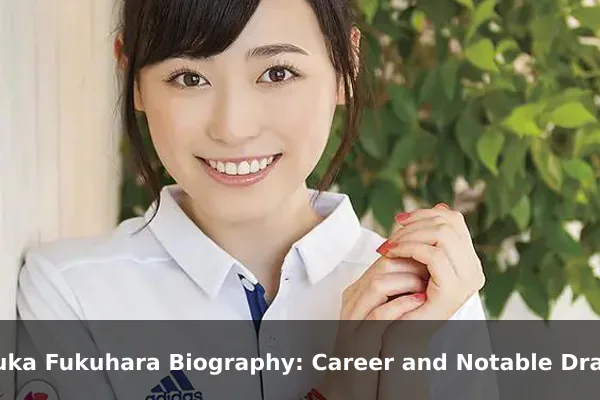
Haruka Fukuhara is a Japanese actress, voice actress, and singer whose career is notable for how early it started and how widely it has stretched across the entertainment industry. Long before she became a familiar face in prime-time television dramas, she had already built name recognition through children’s programming, anime voice work, and music. That unusually broad foundation helps explain why her growth into leading drama roles has felt so natural to audiences who have, in some cases, watched her on screen for well over a decade.
This biography traces her path from a young performer to a leading actress in mainstream Japanese television, with a focus on verified career milestones and the major roles that have defined her public profile. Because she is a working professional whose schedule and credits continue to evolve, the most reliable details come from her agency, her broadcasters, and her music label. Throughout this article, dates, credits, and role descriptions are anchored to those official sources rather than to speculation about her private life.
From a versatile child talent to the lead of a national morning drama, Fukuhara’s story is one of steady, multi-format growth. The sections below break down the key stages of that journey and explain why her career stands out within the crowded field of Japanese acting talent.
Early Life and Public Profile
According to official agency and label profiles, Haruka Fukuhara is a Japanese performer affiliated with the talent agency Ken-On, which manages her acting work and publishes her verified biographical details, news, and filmography. Her name is commonly rendered in English as Haruka Fukuhara, with the family name Fukuhara, and she is publicly introduced primarily as an actress while also being credited for voice and music activities.

Public-facing profiles emphasize a few consistent points about how she is presented to audiences:
- She is described first and foremost as an actress active in film and television.
- Her career is noted for beginning at a young age, which has shaped her long tenure in the industry.
- Her work spans multiple formats, including stage and screen acting, voice acting, and singing.
Because biographical particulars such as exact figures and current activities can change over time, readers seeking the most up-to-date verified details — including her latest projects and announcements — should consult her official agency profile and personal site. These primary sources are the most trustworthy anchors for confirming credits and career news.
Why Official Profiles Matter
For a living, actively working performer, fan-edited summaries can drift out of date or blur unverified rumor with fact. Her Ken-On agency profile and official site are continuously maintained, which makes them the safest references for confirming filmography entries, role credits, and recent activity. Cross-checking music and early-career milestones against her Sony Music label profile adds an additional layer of verification for her singing and voice work.
From Child Performer to Recognizable Screen Talent
One of the defining features of Fukuhara’s career is that she entered the industry as a child performer. Working from a young age gave her years of on-camera experience before she stepped into adult leading roles, and it allowed her to build name recognition gradually rather than relying on a single breakout moment.
Child-oriented television and performance work served as an early platform. Appearing in family-friendly programming helped introduce her to a broad audience, including younger viewers and their families, and it established her as a recognizable presence well before she transitioned into mainstream drama. This kind of early exposure is significant because it can create a loyal, multi-generational audience that follows a performer as they mature into more demanding roles.
Building Range Early
Starting young also tends to encourage versatility. Performers who grow up on screen often develop comfort across different formats and tones, from lighthearted children’s content to more emotionally complex material. In Fukuhara’s case, this early grounding appears to have supported a smooth expansion into a wider range of work as she got older. Rather than being typecast by a single early hit, she gradually broadened her portfolio.
The practical advantages of an early start include:
- Experience: Years of working on set before adulthood, building professional discipline and screen comfort.
- Recognition: An established public profile that predates her adult drama work.
- Versatility: Familiarity with multiple performance formats, which eases transitions between acting, voice work, and music.
Voice Acting, Music, and Multi-Format Career Growth
What sets Fukuhara apart from many of her peers is that her career genuinely extends beyond live-action acting. She is credited as a voice actress and has been active in music as well, a combination reflected in her presence on an official music-label profile in addition to her acting agency page.
Voice Acting
Voice work has been a meaningful part of her résumé. Anime and voice performance require a distinct skill set — conveying character, emotion, and timing through the voice alone — and her involvement in this area demonstrates a breadth that purely live-action performers do not always have. This experience can also feed back into screen acting, sharpening vocal expressiveness and comedic or emotional timing.
Music and Singing
Fukuhara’s music activity is documented through her official Sony Music label profile, which is a useful source for cross-checking milestones tied to her singing and voice-related work. Music adds yet another dimension to her public identity, allowing her to connect with audiences through performance in a way that complements her on-screen presence. For artists who balance acting and music, each field can reinforce the other, expanding their reach and keeping them visible between major television or film projects.
The Value of a Multi-Format Career
Maintaining work across acting, voice, and music is demanding, but it offers real advantages:
- Continuity: Multiple visibility streams help sustain a public presence year-round.
- Audience breadth: Anime fans, music listeners, and drama viewers may each discover her through different doors.
- Creative durability: A varied skill set helps a performer adapt as industry trends shift.
This multi-format foundation is a major reason her eventual rise to leading drama roles felt less like a sudden surprise and more like a logical next step in an already established career.
Breakthrough Drama Momentum
As Fukuhara matured, her work increasingly centered on prominent live-action drama roles. The transition from child and supporting talent to a recognized adult actress is a critical phase in any performer’s career, and it is best understood as a progression rather than a single overnight event.
Rather than focusing on unverified claims about popularity or private life, it is more accurate to describe this period in terms of growing responsibility on screen. Over time, she moved toward roles with greater prominence and narrative weight, signaling industry confidence in her ability to carry significant material. Building a steady body of television work positioned her for the kind of high-profile lead roles that mark the upper tier of Japanese drama acting.
Signs of Career Progression
Indicators that a performer is breaking through into the leading tier typically include:
- A shift from supporting parts toward central or co-lead roles.
- Casting in productions from major broadcasters with national reach.
- Sustained, ongoing work rather than isolated appearances.
Fukuhara’s trajectory reflects these patterns, culminating in headline roles on major national networks — most notably her lead in a national morning drama, discussed in the next section.
Major Milestone: Maiagare!
A defining milestone in Fukuhara’s career is her lead role in Maiagare!, the 107th installment of NHK’s long-running morning drama series, commonly known as asadora. According to NHK’s official archives, she headlined this serialized morning drama, a credit that places her among a select group of actresses entrusted with one of Japanese television’s most prestigious lead opportunities.

Why an Asadora Lead Is Significant
NHK’s asadora franchise is one of the most established and closely watched formats in Japanese television. These serialized morning dramas air over an extended run and reach a large, devoted national audience. Being cast as the lead is widely regarded within the industry as a career-defining honor for the following reasons:
- Visibility: Morning dramas reach households across the country over many months.
- Prestige: The lead role is a recognized marker of trust from a major public broadcaster.
- Endurance: Carrying a serialized lead demands stamina, consistency, and emotional range across a long shooting schedule.
Headlining the 107th asadora therefore represents a clear high point in Fukuhara’s progression from early-career talent to leading actress. For readers wanting to verify the specifics of this role, NHK’s official archive page for the series is the authoritative reference.
Notable Role in 18/40: Futari Nara Yume mo Koi mo
Another notable entry in Fukuhara’s recent television work is the TBS drama 18/40: Futari Nara Yume mo Koi mo. According to the broadcaster’s official cast and staff page, she is credited in this production, which is part of her ongoing presence in mainstream Japanese drama.
Place in Her Recent Work
This role is significant because it reflects continued, high-profile casting on a major commercial network following her morning-drama milestone. A title built around its central pairing highlights the kind of relationship-driven storytelling that lets a lead actress demonstrate emotional nuance and chemistry with a co-star. Appearing in such a drama on a major broadcaster reinforces her standing as an actress capable of anchoring contemporary television projects.
For the most accurate confirmation of her specific role and billing in this drama, the TBS official cast and staff page is the recommended source. As with all current projects, details may be updated by the broadcaster, so primary pages remain the best reference.
Acting Style and Screen Image
While objective career milestones are best confirmed through official sources, it is also fair to offer cautious, observation-based commentary on the qualities that recur across Fukuhara’s roles. These observations describe general impressions of her screen image rather than definitive claims.
Recurring Strengths
Across her body of work, several characteristics tend to stand out:
- Warmth: An approachable, relatable on-screen presence that suits sympathetic and aspirational characters.
- Emotional clarity: A capacity to communicate feeling in a way that reads clearly to audiences.
- Adaptability: Comfort across youthful, romantic, and aspirational roles, supported by her varied background in voice and music.
Adaptability Across Formats
Her experience in voice acting and music likely contributes to her flexibility as a performer. Voice work hones expressiveness and timing, while music performance builds stage presence — both of which can enhance screen acting. This cross-training may help explain why she appears comfortable shifting between lighthearted material and more emotionally grounded drama.
It is worth emphasizing that these are general observations about her public screen image, not assertions about her personal life or private preferences, which fall outside the scope of verified reporting.
Why Haruka Fukuhara’s Career Stands Out
Bringing these threads together, Haruka Fukuhara‘s career is distinctive for the combination of longevity, range, and high-profile credits that few performers achieve. Her path is not defined by a single breakout but by a steady accumulation of experience across multiple formats, capped by major roles on national television.
The key factors that make her career notable include:
- Early start: A career that began young, building experience and recognition over many years.
- Cross-media work: Genuine activity across acting, voice acting, and music, documented by both an acting agency and a music label.
- Major drama credits: A lead role in NHK’s 107th asadora, Maiagare!, and continued mainstream casting such as the TBS drama 18/40: Futari Nara Yume mo Koi mo.
Taken together, these elements paint a picture of a performer whose significance rests on sustained, verifiable accomplishment rather than fleeting trends. Her ability to grow from a child performer into a trusted leading actress, while maintaining a presence in voice and music, gives her a professional identity that is both broad and durable.
Conclusion
Haruka Fukuhara’s biography is a study in steady, multi-format growth. Starting in the industry as a young performer, she built name recognition through children’s programming, expanded into voice acting and music, and ultimately rose to leading drama roles — including a headline turn in one of Japanese television’s most prestigious formats. Her credits in Maiagare! and 18/40: Futari Nara Yume mo Koi mo illustrate the kind of trust major broadcasters have placed in her as a lead.
For readers who want to follow her work or confirm specific details, the most reliable approach is to consult her official agency profile, her personal site, her music-label page, and the broadcaster archives for each drama. Because she remains an active professional, these primary sources offer the clearest, most current view of a career that continues to develop — and one that already stands out for its rare blend of longevity, versatility, and high-profile achievement.
Official references
- Ken-On official artist profile: Fukuhara Haruka – Her current talent agency profile is the best anchor for verified biographical details, official credits, news, and filmography facts.
- Haruka Fukuhara official site – Official personal site for current announcements, schedule, and career updates tied directly to the actress and her agency.
- Sony Music official profile: Haruka Fukuhara – Official music-label profile useful for cross-checking early career milestones, voice/music work, and solo singer debut details.
- NHK Archives: Asadora 'Maiagare!' – Official NHK archive page for confirming her lead role in the 107th morning drama, a major career milestone.
- TBS official cast page: '18/40 Futari Nara Yume mo Koi mo' – Official broadcaster cast/staff page for confirming her credited role and co-lead status in the TBS drama.
